


 ©Yann Monel
 ©Yann Monel
 ©Yann Monel
 ©Jean-Alfredo Albert
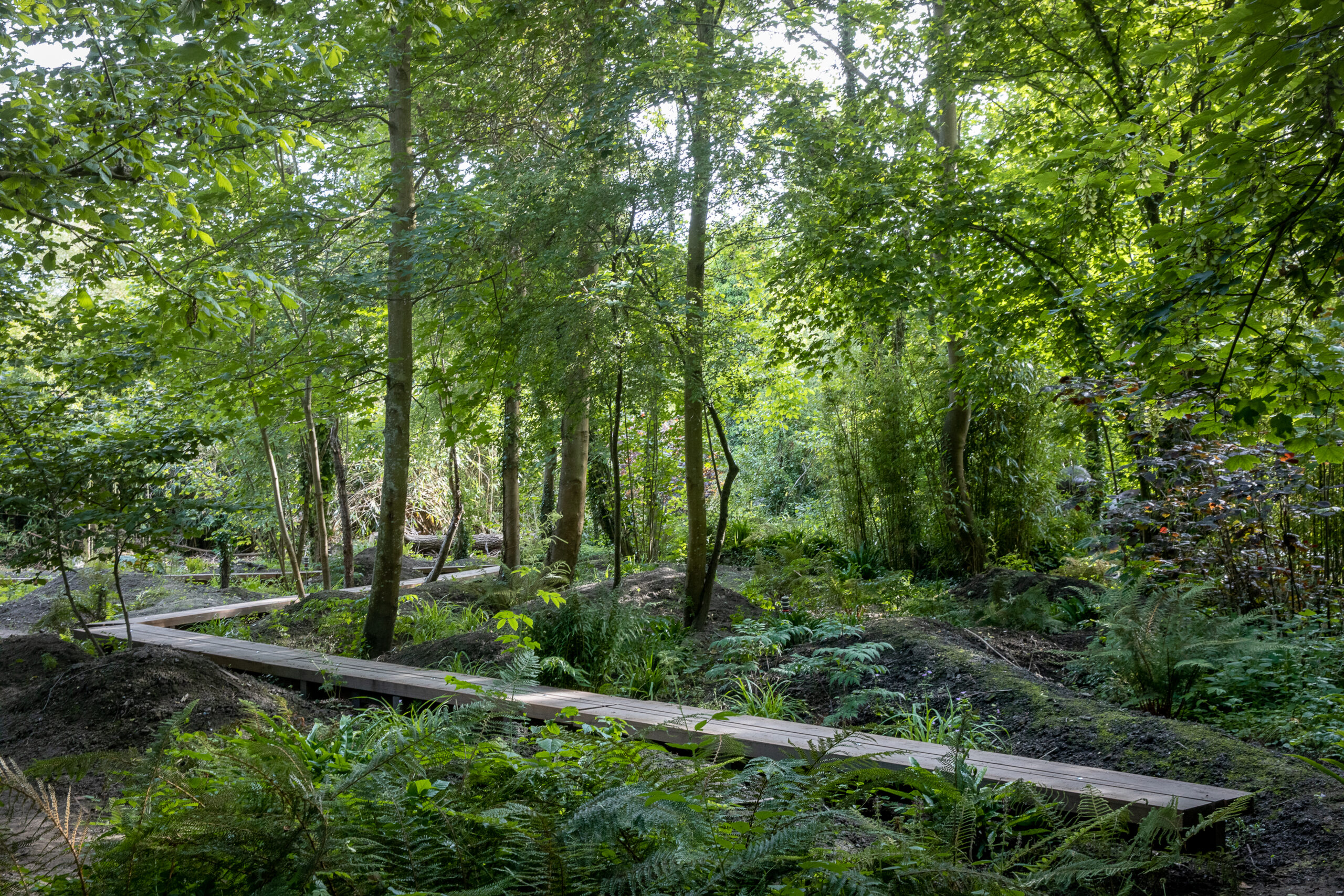
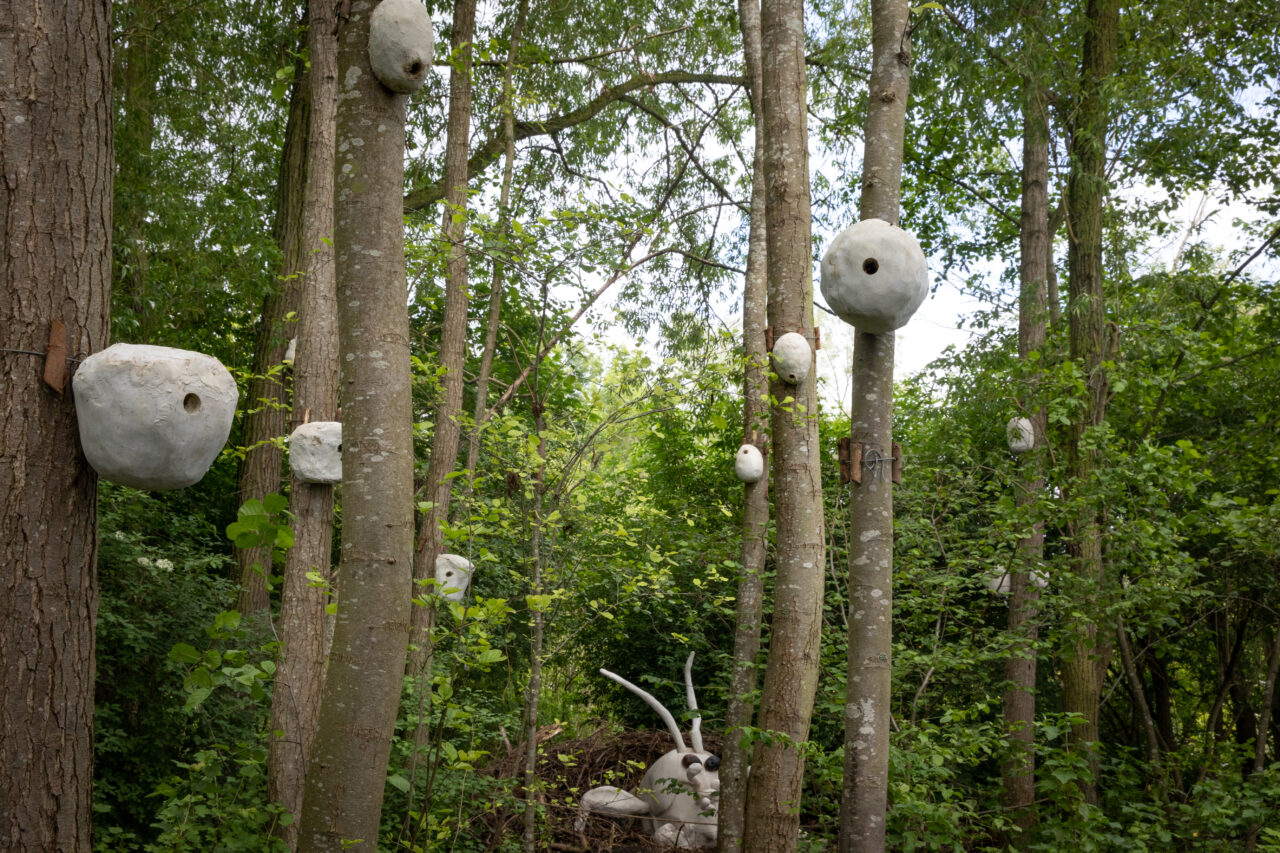
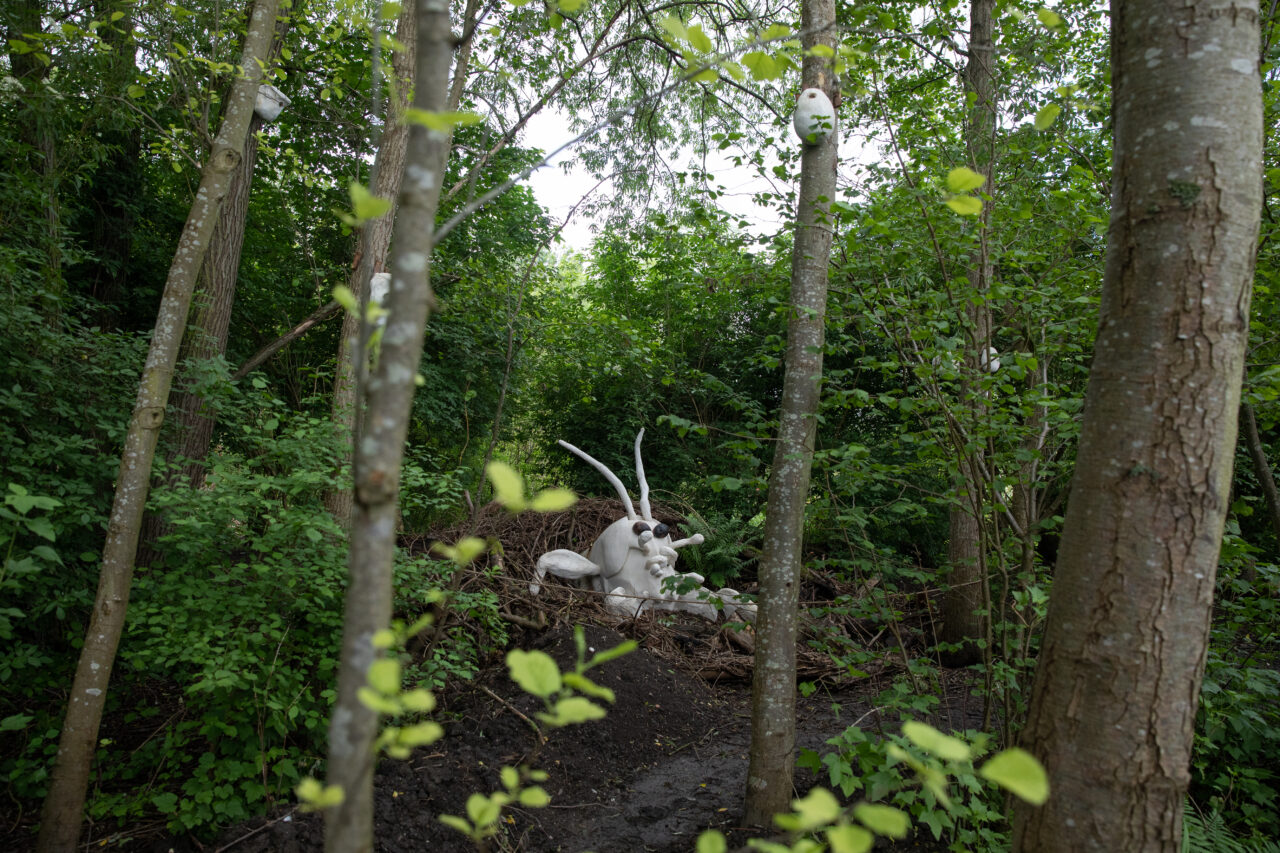
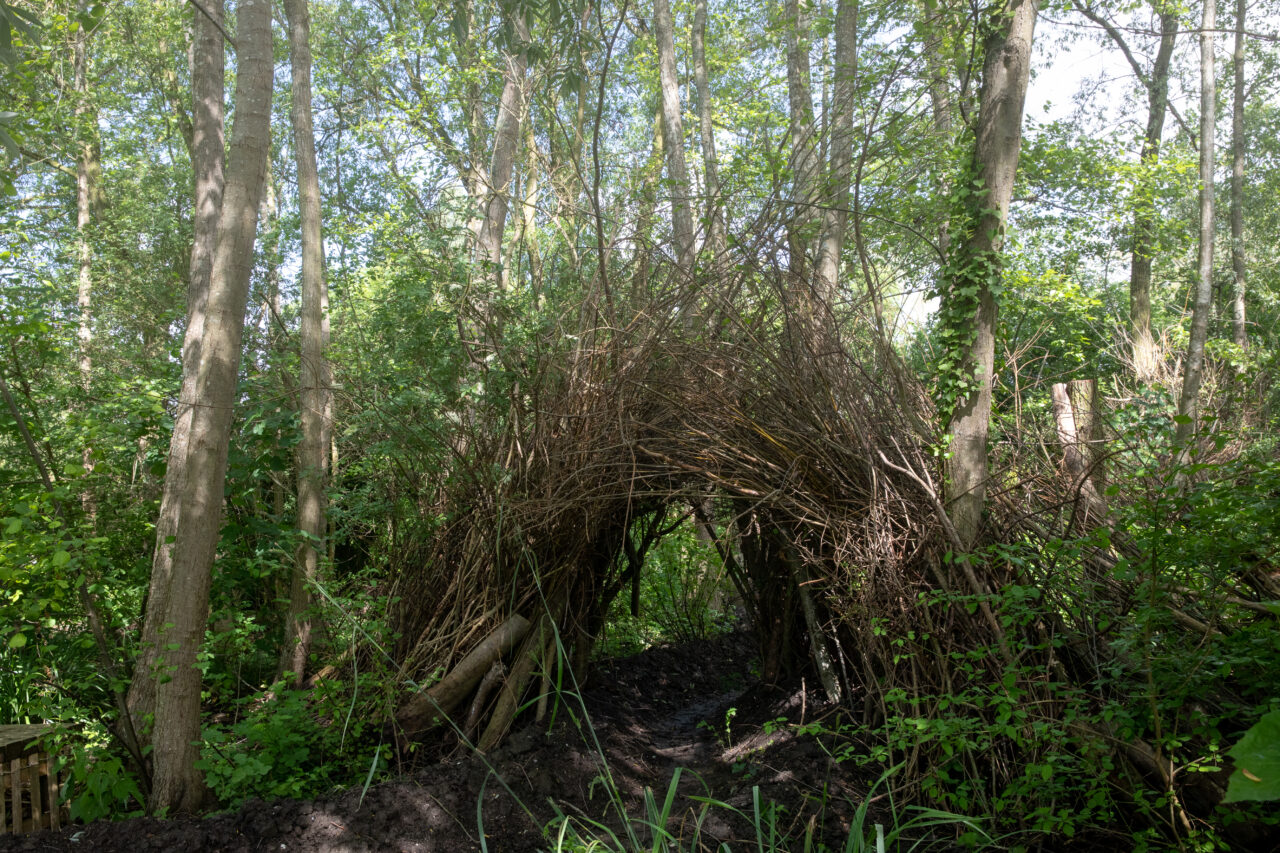
Around a naturalistic lime sculpture, a garden takes shape: the Jardin de la Courtilière. A burrowing insect from the cricket and grasshopper family, the mole cricket is drawn to damp soils. In its image, this garden of hospitality is a space where the human being adjusts their gaze alongside other creatures that are equally fond of these same islands.
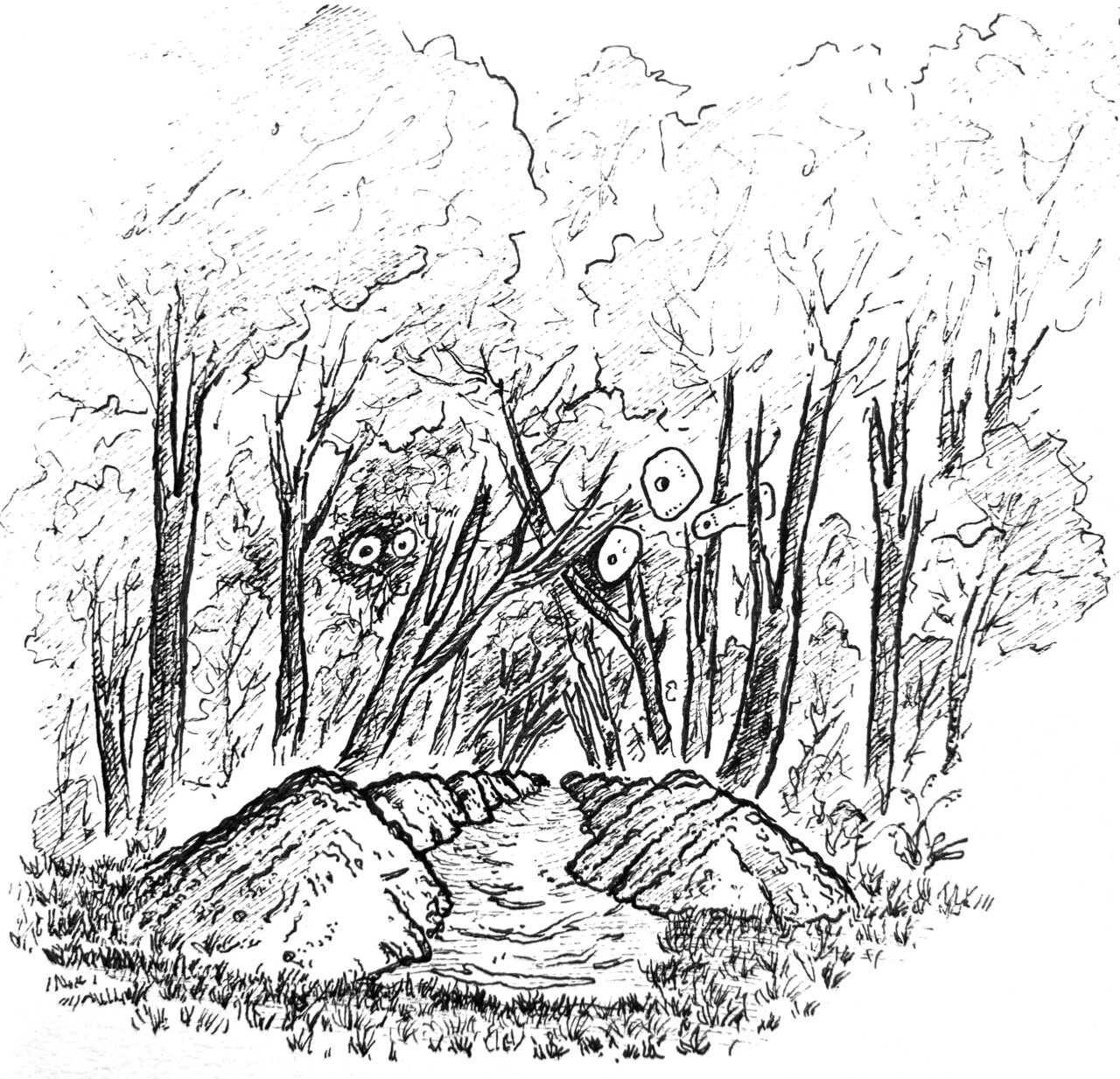
Here, the Courtilière gardens in order to sustain the world of which it is a part: that of the soil, of insects, and of all those who depend on them. It is a place of decomposition and recomposition of worlds. The whole presents itself as an organised chaos, a tangle of dead wood, leaves, branches and trunks, where flora develops at the edge of wasteland. To enter, one must follow the tunnels dug by the insect, stoop to pass through a bristling thicket, and feel one’s way with the help of white containers hung from the branches, until reaching its burrow. These containers are nesting boxes, invitations made from lime and hay that open a dialogue with squirrels, birds of prey, passerines, field mice…
This garden is not intended for human beings, but for those who sustain the world: insects and birds, invisible actors at the end of the trophic chain, like many minorities. It is an invitation. At once, the garden seeks to put in place the conditions for welcoming a specific diversity of allies; at the same time, it suggests to those who enter that they shift their posture and learn to look differently.
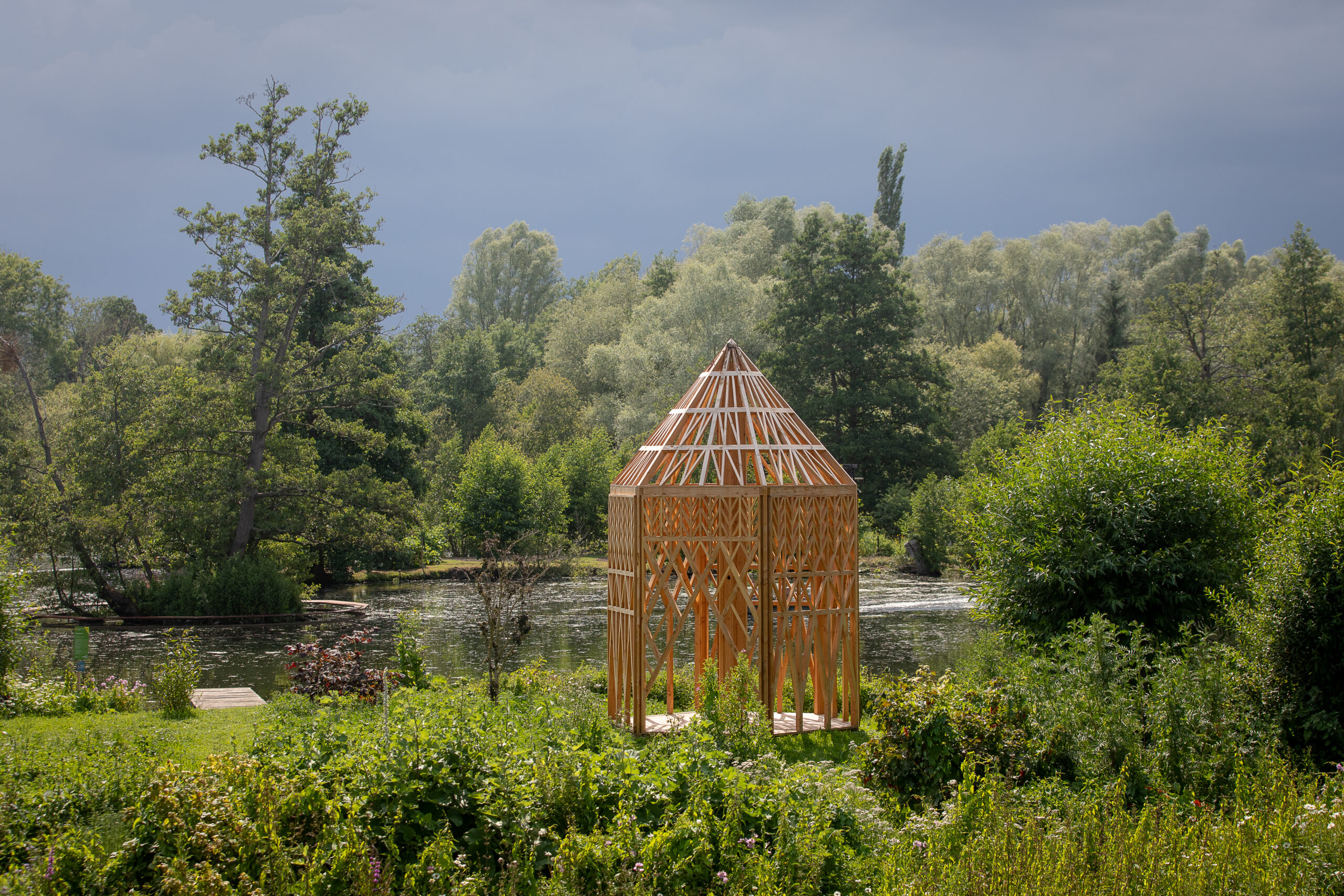
Project realised with the help of Orlando Clarke, José Miguel Indiana Stones, Lucile Chapsale, Guillaume Costes and Camille