


 ©Yann Monel
 ©Yann Monel
 ©Yann Monel
 ©Yann Monel
 ©Yann Monel
 ©Yann Monel
Border Land > Danish Garden of Peace, 2021
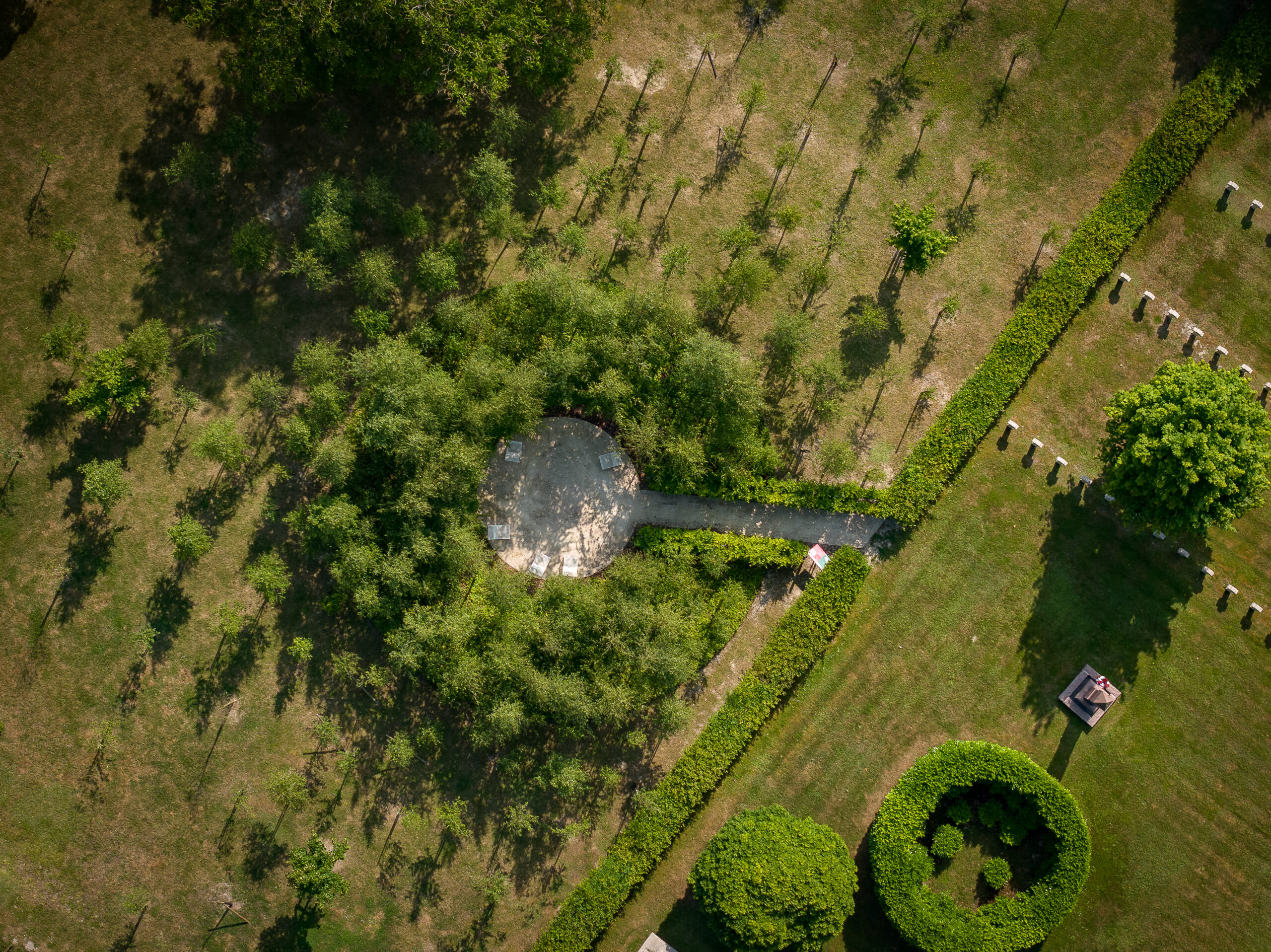
The Danish Garden of Peace is located near the only Danish Great War cemetery. Denmark remained neutral during World War I. However, 30,000 farmers from the province of Schleswig annexed in 1866 by the German Empire, were forcibly recruited and had to fight in the German army. The province of Schleswig was returned to Denmark in 1920 following a plebiscite. At the request of their families, the remains of these soldiers incorporated against their will were removed from German cemeteries to be reunited in Braine in 1934. Elzelina Van Melle and Rikke Thiirmann Thomsen evoke in the Danish Garden of Peace the situation of these soldiers, ” being a Dane from the border land of Slesvig-Holsten during World War I meant having a double identity and a split life, and for 30.000 young men it meant duty to fight on the German side with the heart left on the Danish side. […] When first buried in German cemeteries they were secretly honored with bouquets of white and red flowers symbolizing the Danish flag, which couldn’t be used.”
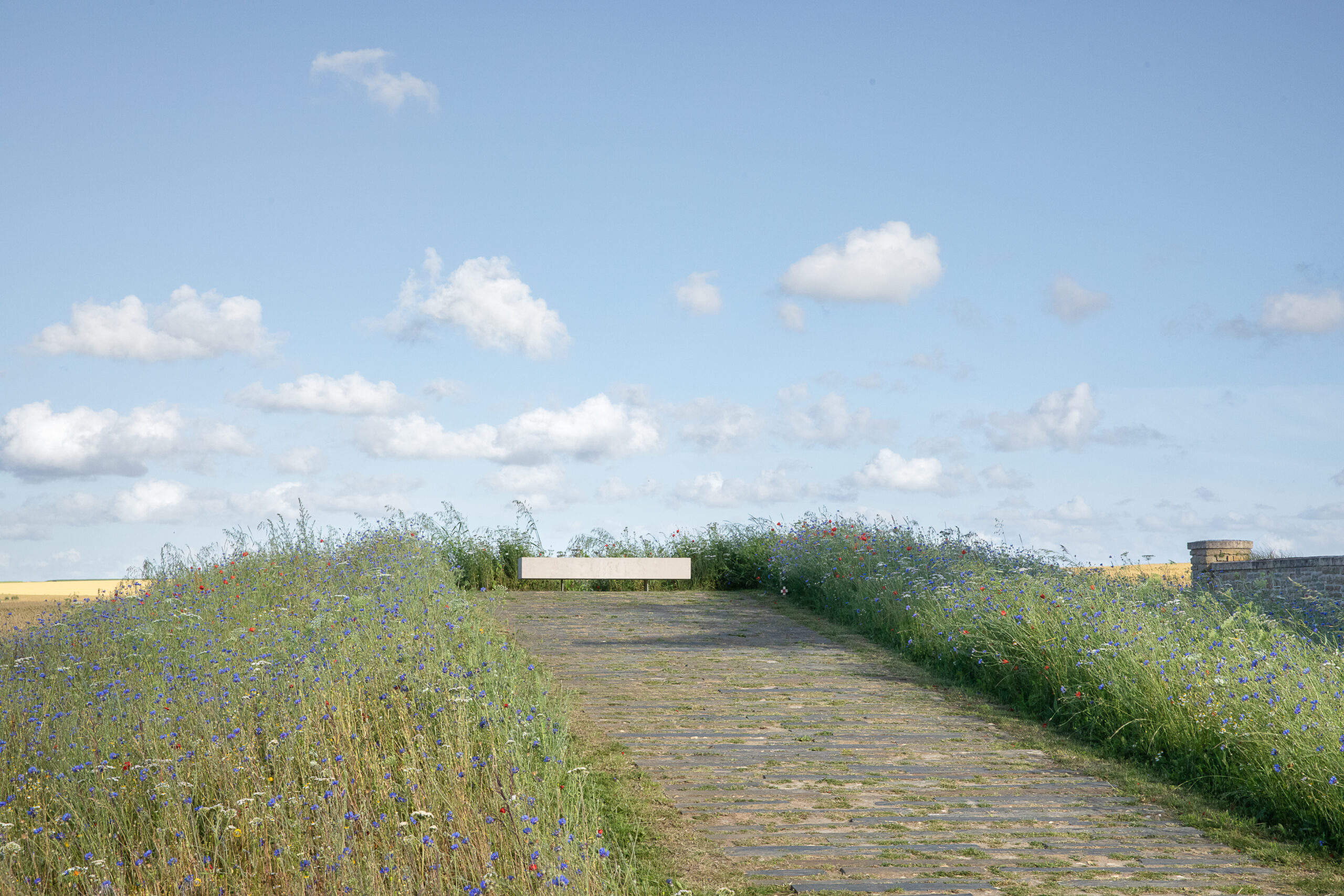
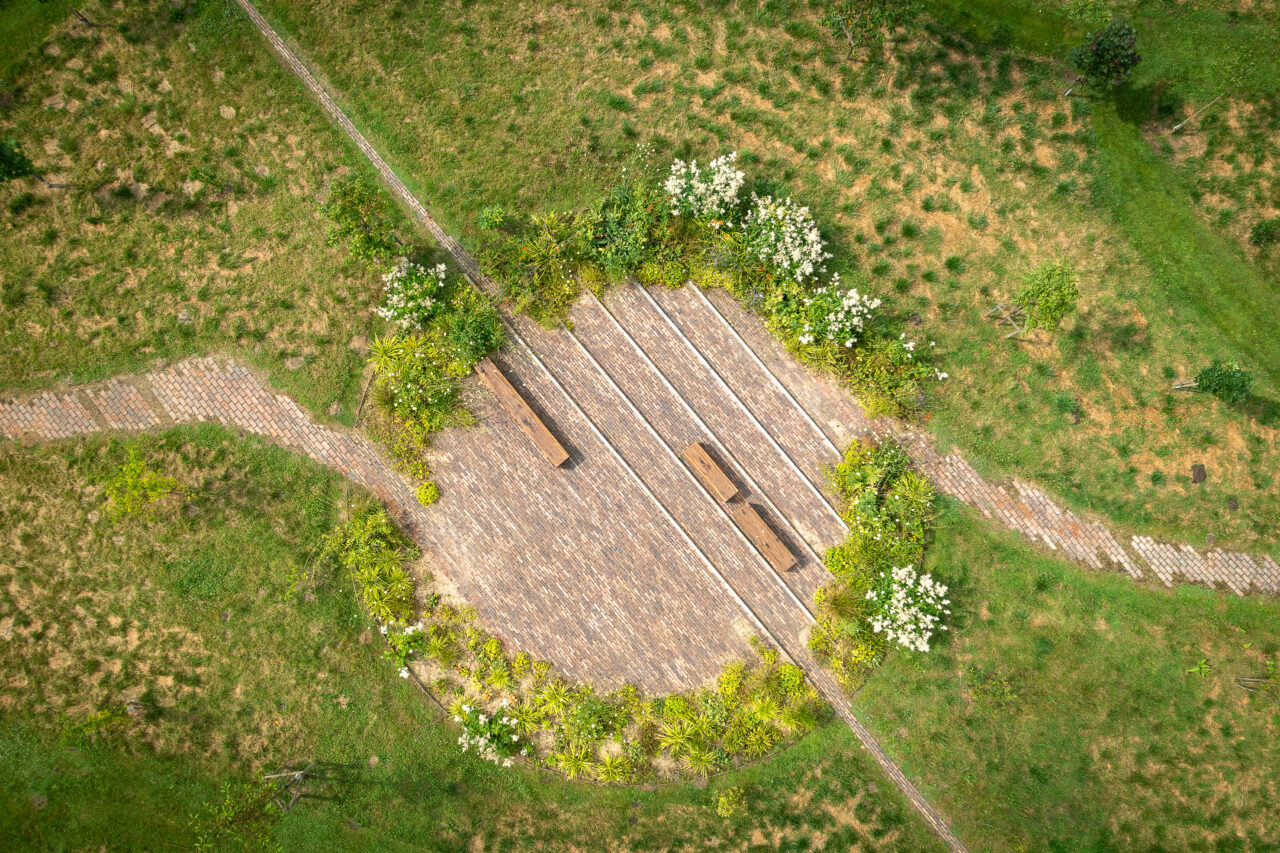
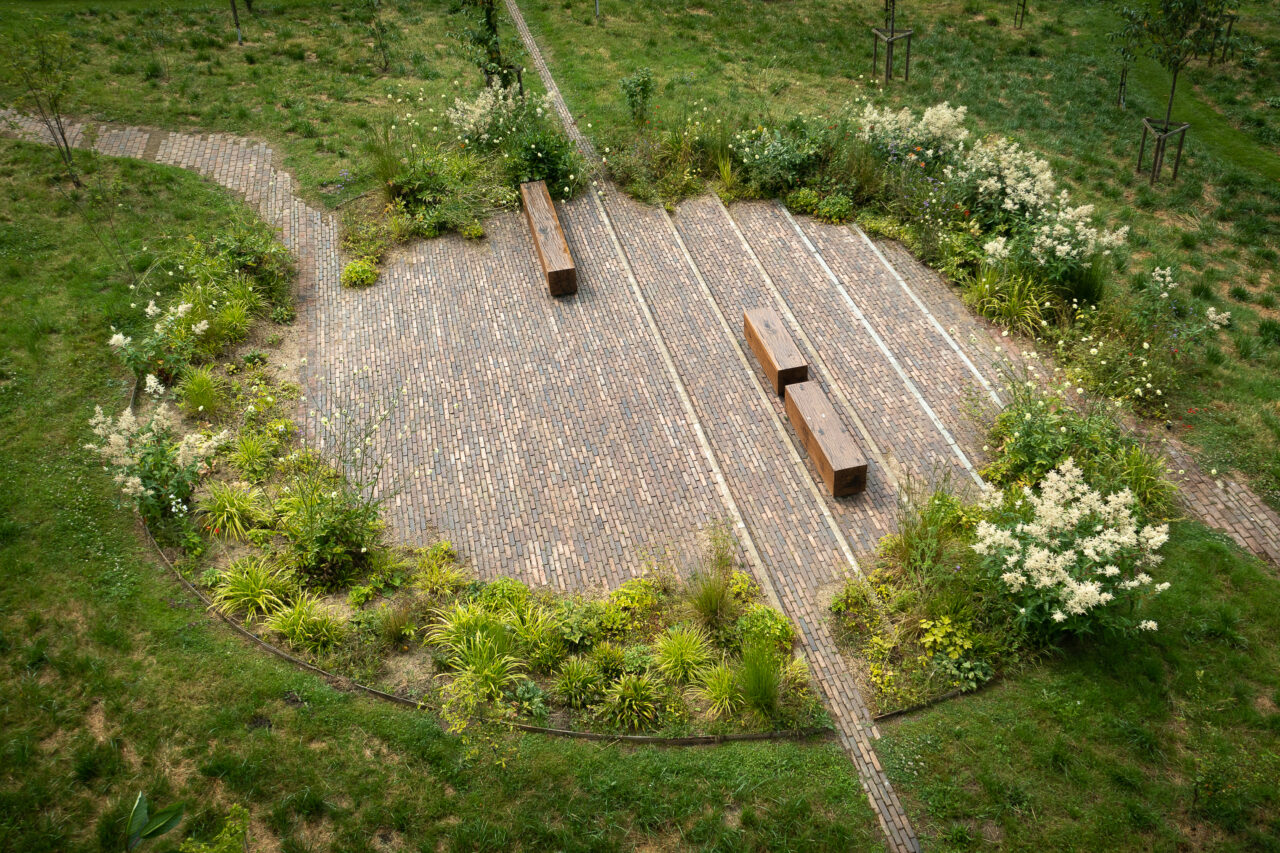
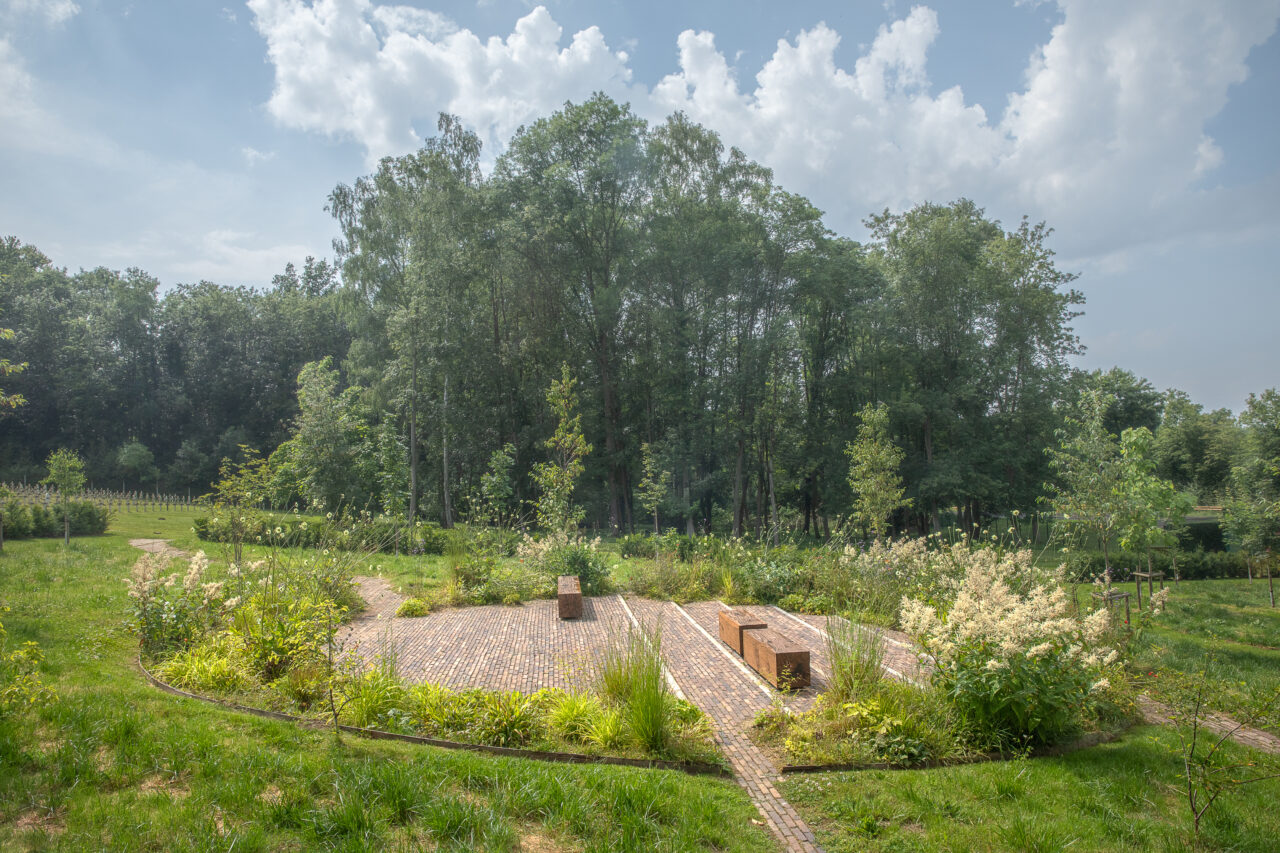
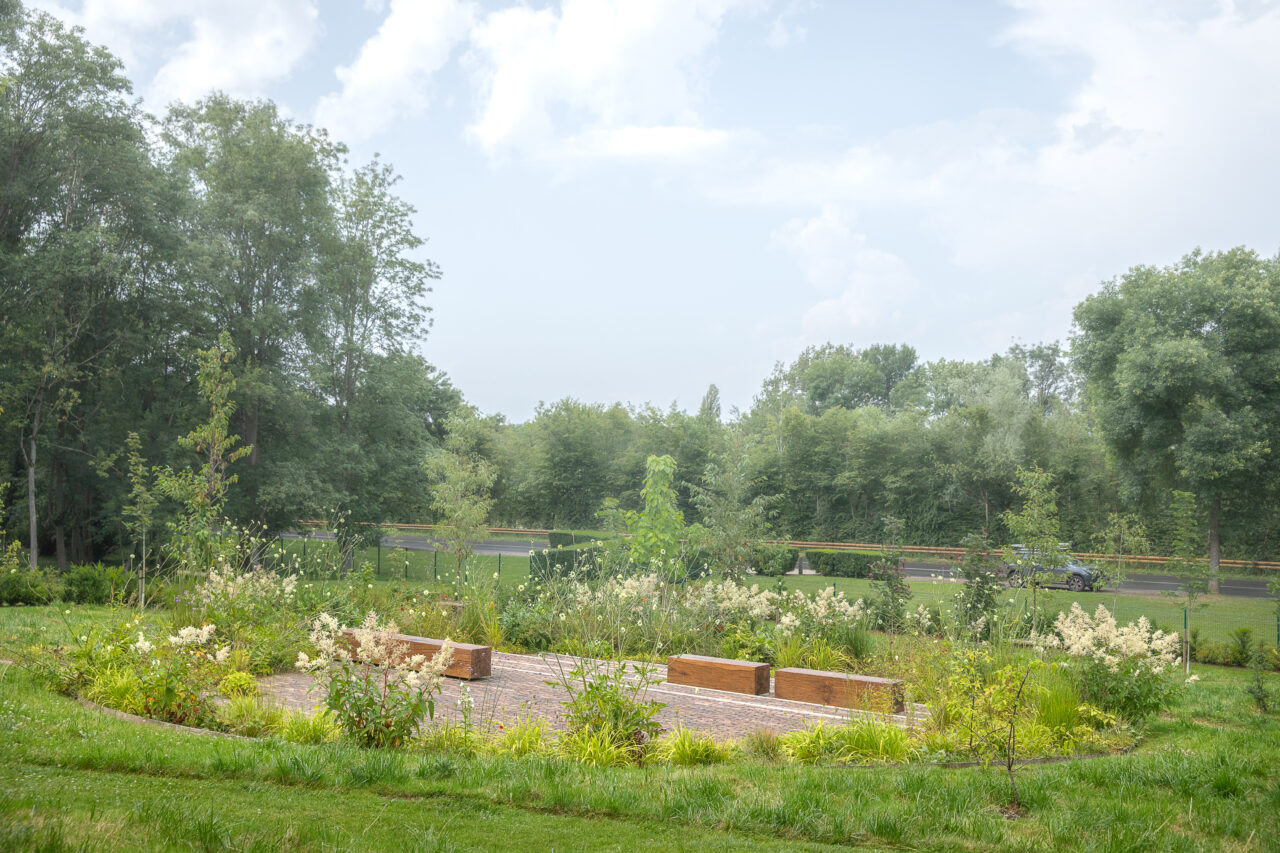
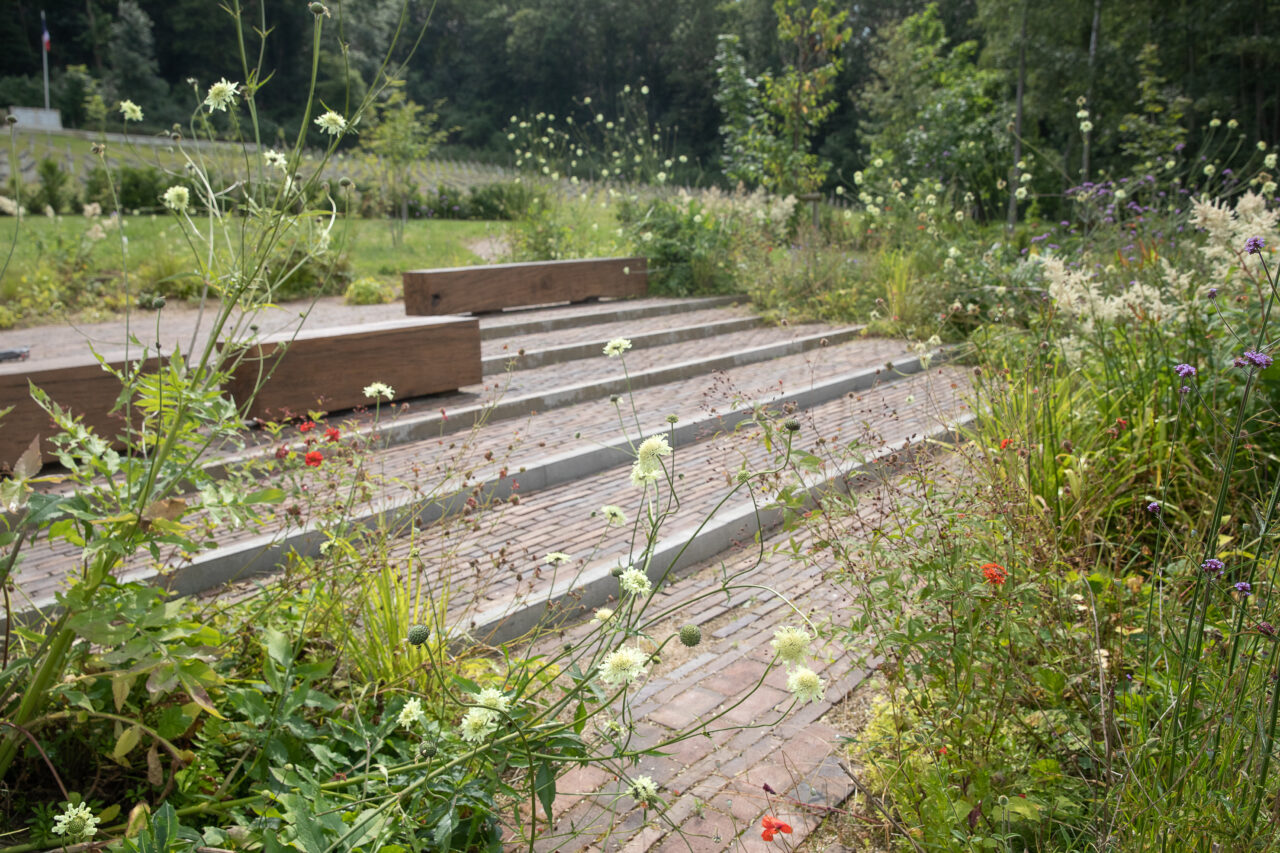
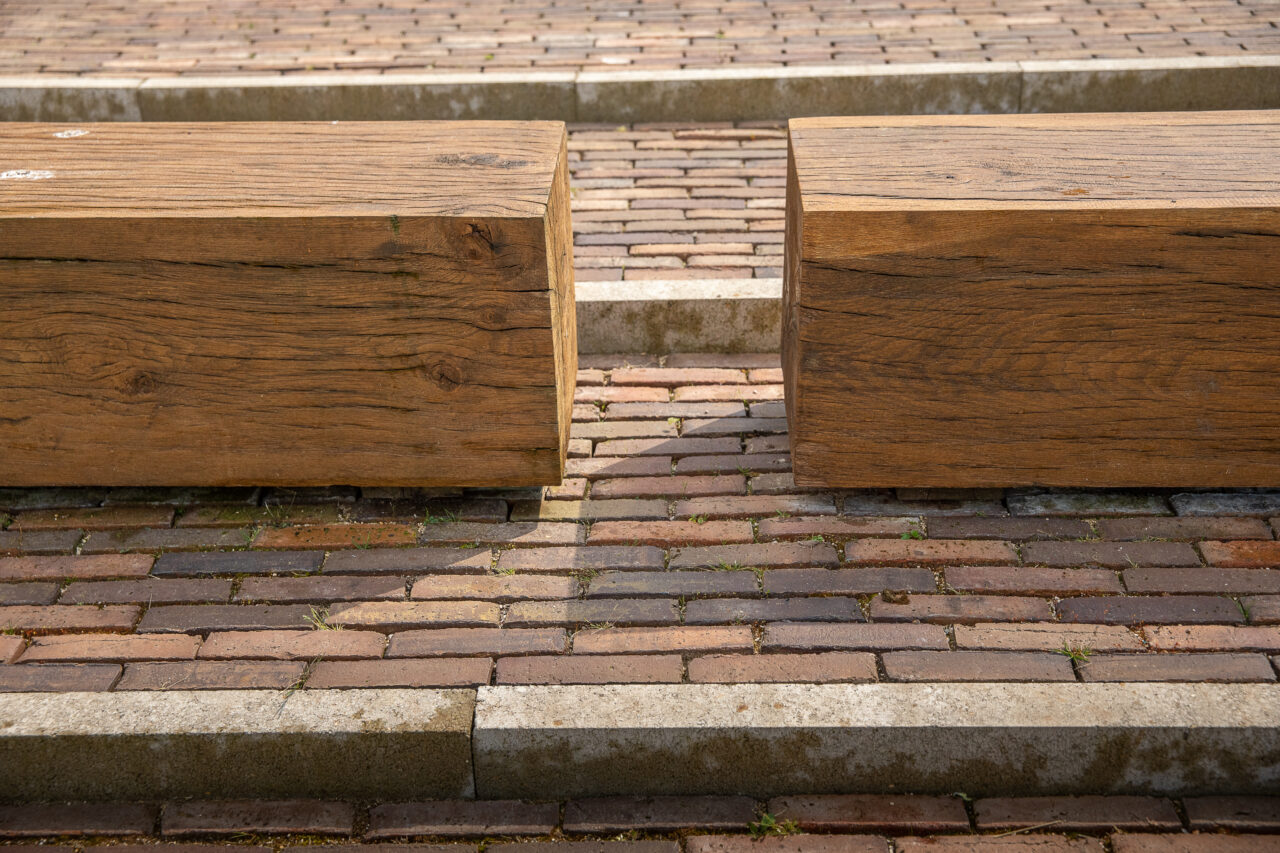
Inspired by the danish landscape and their poetry, the landscapers designed a sensory experience beside the Memorial site, “The garden is surrounded by straight cut yew hedges in reference to those common to Danish landscaped cemeteries. A forest of deciduous trees with white flowers and autumn colors is spread over a large grassy area managed in a differentiated way. This varied afforestation is reminiscent of parks and “open” forests in Denmark where the trees keep a free port and provide light shade while allowing the visitor to appreciate the abundant vegetation between and under the crowns. A large stand of perennials surrounds the central paved surface. Perennials are chosen to bloom white and red (Danish national colors) throughout spring and summer. The central paved space has solid wood seats while the cross paths offer possibilities for circulation and viewpoints. The original bricks come from southern Jutland and are installed on the slope using a method proven in Denmark with a sand joint, permeable to rainwater. Each stone represents the sacrifice of the 6,490 Danish soldiers who died in action during the First World War.”
Project by EVM Landskab (by Elzelina van Melle) and Thiirmann Have & Landskab (by Rikke Thiirmann Thomsen)